
Searching the Washington Court Docket
The city publishes no case-search form and no downloadable municipal docket. Its official pages offer a recurring calendar pattern instead. They also point to the municipal clerk and direct City Hall routes. Start with the issuer named on the notice. A city ordinance violation or a Washington police citation points to the municipal clerk. A filing labeled Washington County District Court belongs in Kansas CaseSearch. It also belongs at the district clerk's office.
- Read the court name and citation or case number from the notice.
- For a city matter, call Municipal Court Clerk Denise M. Powell through City Hall at 785-325-2284.
- Ask for the current session date, location, payment or contest route, and public-copy options.
- For a district matter, search Kansas CaseSearch with Washington County selected.
- Confirm the result with the clerk before relying on a date that may have changed.
City Hall also publishes in-person and mail routes for the same matters. The statewide portal covers district cases, though, so treat it as the wrong tool for a municipal lookup the city has never published.
Washington City and District Dockets
The most common local mistake is treating two nearby courts as a single office. Washington Municipal Court handles city ordinance cases. Washington County District Court handles cases filed under the state district system. Their clerks, case identifiers, calendars, and record files are entirely separate, so a Washington address alone tells you nothing about which docket holds the matter.
| Clue | First route | Record holder |
|---|---|---|
| City ordinance or municipal citation | Washington City Hall | Municipal court clerk |
| State criminal, civil, family, probate, juvenile, or district traffic case | Kansas CaseSearch or 214 C Street | District Court Clerk |
| Municipal judgment appealed | District case search after filing | Original city file plus new district appeal file |
That venue check saves real time. It also stops a city ticket from being mistaken for a county ticket just because the county courthouse sits in the same city.
Washington Municipal Court Basics
The official municipal court page names Hon. Jason Cohorst as municipal judge, appointed May 5, 2025. Denise M. Powell serves as municipal court clerk, and Elizabeth Baskerville-Hiltgen is the city attorney. The court interprets city ordinances and applies Kansas law within its municipal jurisdiction. Each role answers a different need. Need a docket entry, a court date, a payment channel, or a public copy? The clerk comes first. The city attorney prosecutes and is not the keeper of the Washington docket. The city posts no searchable results grid, citation format, login, document download, or certified-copy price. Ask the clerk before assuming any field or fee exists.
Washington Fourth-Monday Court Pattern
The city information and calendar page lists municipal court at 5 p.m. at City Hall, typically on the fourth Monday of each month. A holiday can push the session to the week before or after. That word "typically" matters. It describes a pattern, not a guaranteed appearance date for any one person.
Confirm the date: Call 785-325-2284 before travel, especially when the fourth Monday falls near a holiday or the notice shows a reset.
The city calendar can orient you, but the notice and the clerk remain the best sources for the active setting. A calendar event shows a date, nothing more. It does not show the charge, the disposition, or the payment status.
Court Dates and Settings in Washington
By the city's own Procedures and Fines page, a municipal docket is the court's schedule. Treat a setting as a set of linked facts, not just a date. The city posts no public results page for checking entries. Ask the Washington clerk to verify each field. A reset may change more than the day.
| Date | The current scheduled session, subject to holiday or court changes. |
|---|---|
| Time | The appearance time, which may differ from City Hall office hours. |
| Location | City Hall, 301 C Street, unless the clerk or notice directs otherwise. |
| Judge | The presiding municipal judge listed for the session. |
| Setting type | Arraignment, trial, compliance, payment, or another clerk-confirmed event. |
City Hall keeps general hours of Monday through Friday, 8 a.m. to 5 p.m., except holidays and emergencies. Those are counter hours only, and an open counter does not create an open court session.
Washington City Hall Payment Route
Washington publishes an in-person payment route at City Hall, 301 C Street, P.O. Box 296, Washington, Kansas, and a phone route through 785-325-2284. Phone service fees may apply. The city posts no current dollar schedule. Fines, court costs, diversion fees, pay-and-dismiss fees, and other fees may all depend on the matter. Before paying, have the clerk match the citation number, amount, due date, and accepted method. Paying and asking to contest are not the same act. Do not assume a county-linked vendor or the Kansas Central Payment Center takes a Washington municipal citation. The city publishes no such connection. Keep whatever receipt or confirmation the city supplies. Ask how the payment will appear on the Washington case record.
Traffic Tickets in Washington
A ticket issued into Washington Municipal Court stays on the city route unless another court is named. The municipal channels are the notice, the clerk's phone, the City Hall counter, and mail. The city offers no citation lookup, no public payment portal, and no online docket. That absence is a reason to call. It is not a reason to enter city data into an unrelated portal. Ask the clerk about the charge or ordinance label. Ask as well about issue date, scheduled session, fine and cost fields, diversion or pay-and-dismiss status, continuance, disposition, and payment status. These are questions to ask, not fields the city displays anywhere. County or state citations follow different rules, which Washington County traffic ticket records covers. Note: a Washington address on a ticket does not prove that Washington Municipal Court issued it. It might have come from another court entirely.
Washington Courtroom Conduct Rules
Silence your phone before court starts. The city's Procedures and Fines page requires devices off during proceedings. No photography or audio recording is allowed. Those rules come from Washington municipal instructions, so treat them as city rules. Nothing extends them to the district courthouse without a separate official source.
Bring your notice and anything the clerk asked for. If your date moved, ask whether the Washington docket shows a continuance or reset. Ask as well whether a new notice went out. Conduct rules never answer record-access questions. Get copies from the municipal clerk instead of documenting a proceeding yourself. The published page lists no copy fee, certification fee, or processing time.
Where Washington Cases Go
City ordinance cases start in Washington Municipal Court. State-law cases go to Washington County District Court, even when the event or a party touches the city. A qualifying municipal appeal opens a district-court matter under Kansas law, yet the original municipal file stays with the city clerk.
Docket flow: Washington Municipal Court › Washington County courts › Washington County District Court, Kansas District Court, 12th Judicial District
The appeal route comes from K.S.A. 22-3609, which sets a 14-day deadline after judgment. Wait until a district case exists before searching the district system. The county-wide Washington County court docket walks through that next level while keeping the two clerks distinct.
Washington Municipal Record Fields
A narrow request beats a demand for "everything." The Washington clerk can find a focused one far faster. Give the citation or case number if you have it. Add the ordinance or charge, the issue date, the appearance date, and the public party role. Then name the item you want. That may be a docket entry, the disposition, a payment record, or a plain or certified copy.
- Setting
- A scheduled court event, not necessarily a trial.
- Reset
- A move from one court date to another.
- Disposition
- The recorded outcome of the municipal matter.
- Municipal appeal
- A later district proceeding that does not erase the city file.
The city publishes no list confirming every field sits in a public database. Ask the clerk which parts of the record are public and whether any limit applies.
Washington Court Record Access Rules
Kansas law opens public records to you. It still lets officials withhold or redact protected material. Send municipal record requests to the Washington custodian. For district records, use the district clerk, the courthouse terminal, CaseSearch, or a court-record request. Juvenile, sealed, and other restricted information stays closed through either route.
Key rules:
K.S.A. 45-218 governs inspection requests, response timing, and possible advance fees.
K.S.A. 45-221 lists nondisclosure grounds and supports separating open material from protected material.
K.S.A. 12-4104 defines municipal ordinance jurisdiction.
Ask a few questions before paying anything. Who is the current records custodian, and what description does the office need? Confirm whether inspection is offered and what copy or certification charge applies.
Washington Municipal Sources in View
The official municipal page lays out the public roles that frame a Washington docket request. View the City of Washington municipal court source before turning to the clerk route.
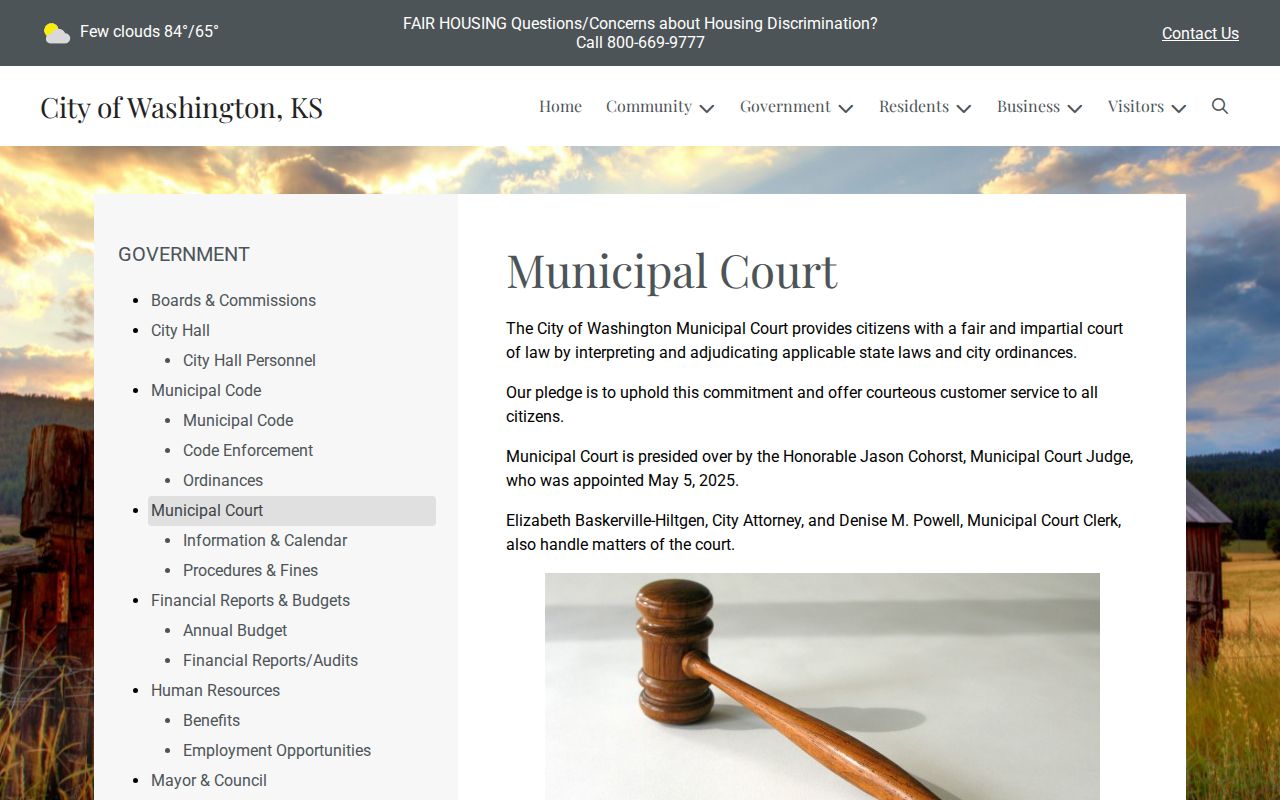
That page separates judge, attorney, and clerk duties, though the clerk stays your practical record contact. A separate city source covers payment and conduct detail. Review the official procedures and fines source for the limits it publishes.
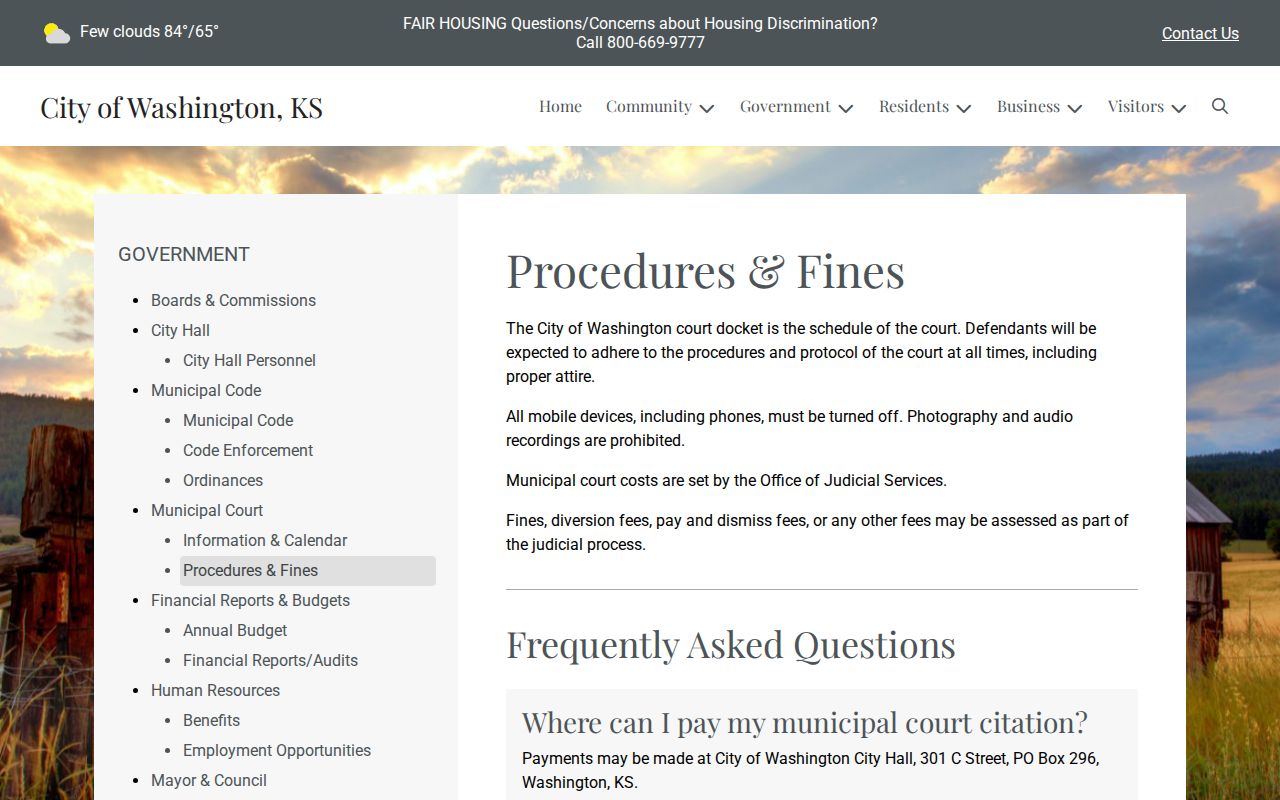
No current fine table or searchable city case list appears there, so the Washington clerk must confirm case-specific facts. A contact list splits the city and county phone numbers. See Washington's official contact source before you pick a clerk.
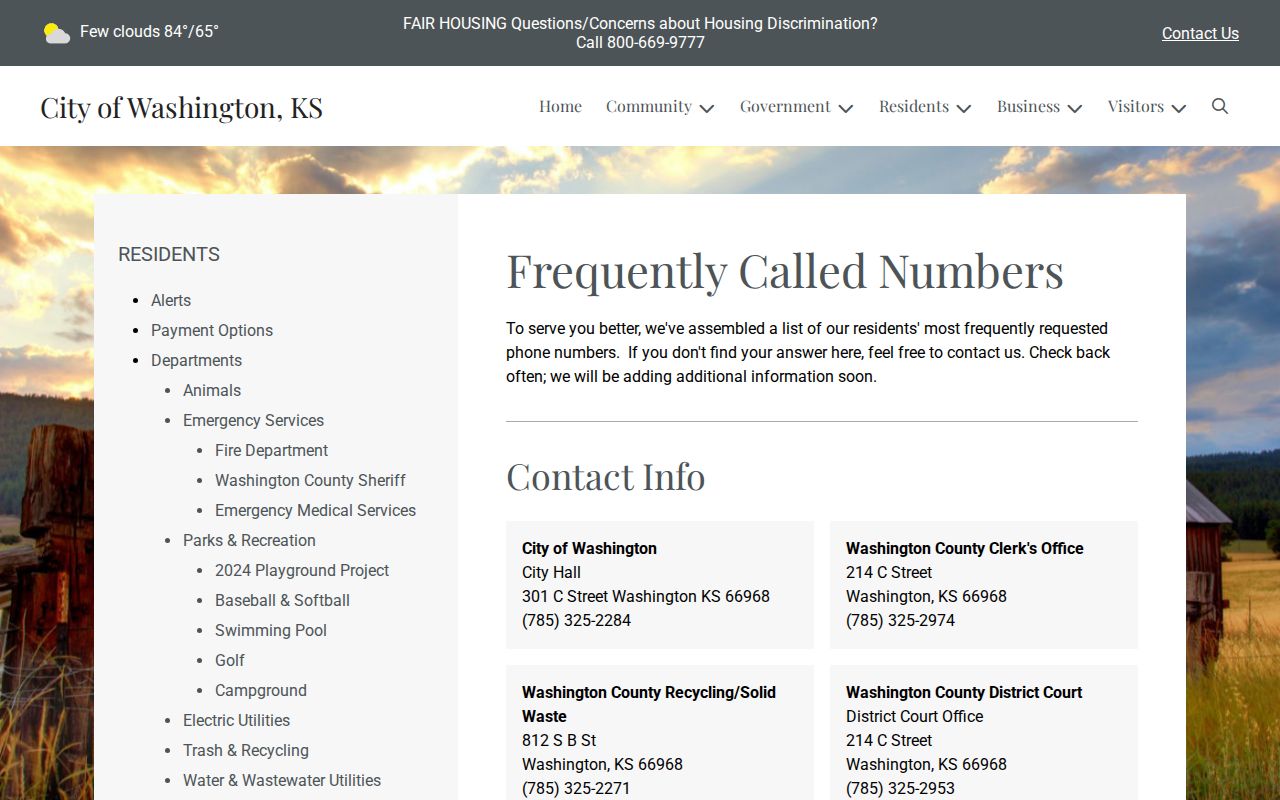
That split backs the central routing rule: city matters and district matters never share one docket. The municipal jurisdiction statute draws the state-law boundary.
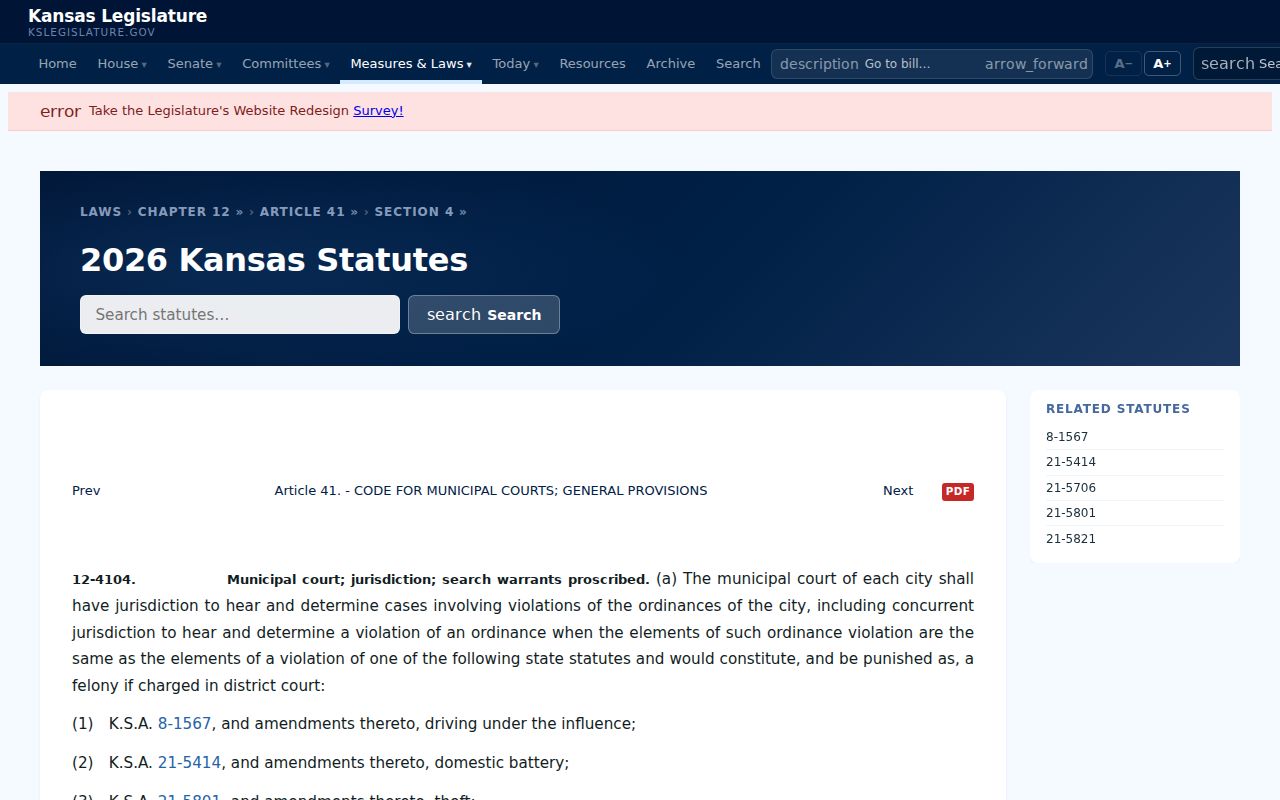
The statute explains jurisdiction, not the current Washington date, fee, or individual record.